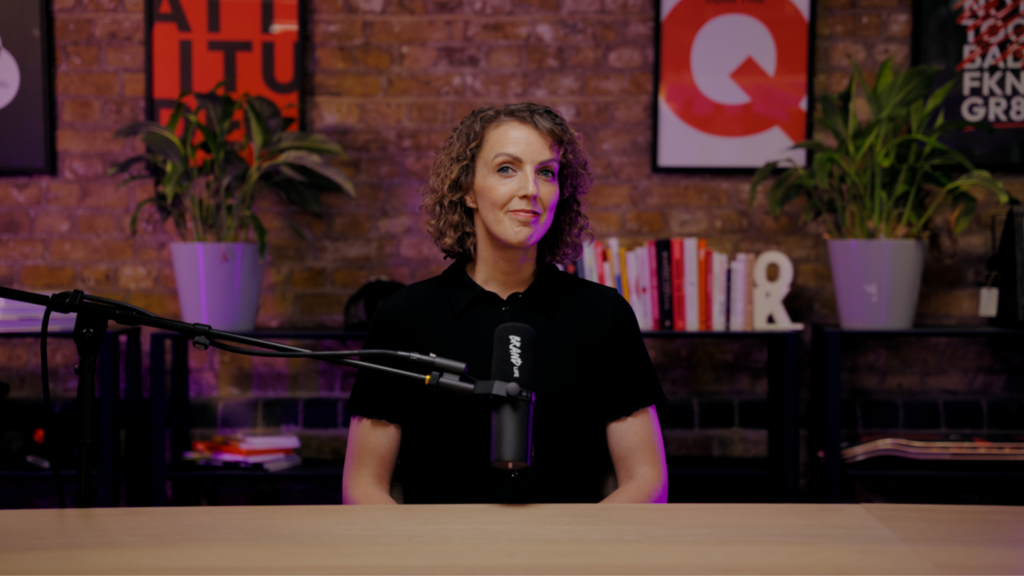
Our Head of Creative & Brand, Louise, shares the uncomfortable moment that changes how a business sees its own brand – and why the goal was never to close the gap.
I’ve sat across the table from a leadership team who’d built a genuinely brilliant business, and watched their faces fall when I told them their customers didn’t believe what their brand stood for anymore.
It wasn’t a comfortable moment. For any of us.
They hadn’t done anything wrong. They’d just done what a lot of businesses do – built a brand in the early days that matched who they were, then spent five, ten, fifteen years getting on with running that business. Meanwhile, the industry moved. Customers changed what they valued. Competitors repositioned around them. And without anyone doing it on purpose, the business had become a different thing than the brand was telling the world it was.
This is the most enlightening part of brand strategy.
Nailing the proposition
After discovery – after the interviews, the audits, the workshops, the slow but critical process of dissecting all the facts and opinions to uncover what’s actually true about a business – there’s a moment where all of that thinking has to land somewhere. A proposition. A single sentence that says, with total conviction, here’s why this business matters and to who.
I won’t pretend that moment is purely based on facts. It isn’t. By the time it arrives, I’ve usually got pages of scribbled notes, stakeholder quotes, customer reviews, competitor gaps – and then a smaller, quieter thing sitting underneath it: a gut feeling about what’s true.
The proposition lives where those two things meet.
And when it lands properly, I could argue it until I’m blue in the face. Not because I’m stubborn, but because every piece of insight I’ve gathered points at the same thing from a different angle.
That’s the eureka moment. And it only happens if discovery was done properly – not as a box-ticking exercise, but as the genuine, sometimes uncomfortable work of finding out what a business has already become, whether or not anyone’s admitted it out loud yet.
Closing the gap isn’t the goal
Here’s the part that catches people off guard, though.
The natural instinct is to bring the brand up to speed with where the business is right now – but ‘today’ isn’t actually the target. The world moves fast. Trends shift. Needs change. If you build a brand strategy that simply closes today’s gap, you’ve built something that’s already primed to go out of date.
The job isn’t to bring the brand up to speed. It’s to define a core value proposition that becomes the solid, authentic, undeniable truth at the heart of the brand. It’s about building a brand for where the business is heading – something versatile enough to flex and grow with it, anchored tightly to one central point of truth that won’t move even as everything around it does.
The uncomfortable truth
That’s the real discomfort I mentioned earlier – and it’s usually not about the brand at all. It’s about asking a founder to step out of the version of the brand they’ve been comfortable living inside for years, sometimes the version they built their whole identity around, and trust that the thing underneath it is solid enough to build forward from.
That’s the truth that the discovery phase uncovers.
I’ll be unpacking more of this process in the coming weeks: how a proposition gets pressure-tested, what happens when a founder pushes back on it (more often than you’d think, and for good reason), and how to build something durable enough to outlast its own launch date.
If any of this struck a nerve – particularly the bit about your business already having outgrown your brand – let’s talk.
More about Louise
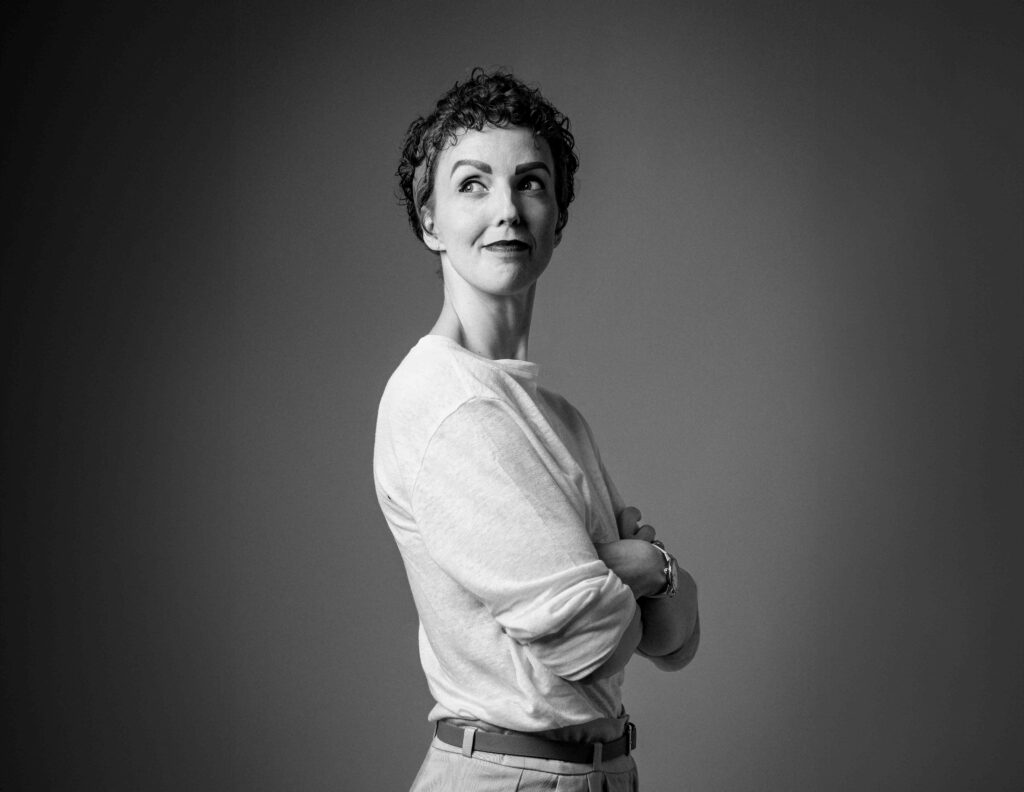
Louise Goodthorp is Head of Creative & Brand at StrategiQ. She gets under the skin of what makes brands unique, using her market insight and creative acumen to shape strategic brand positions, working with the creative team to bring the vision to life.
Louise’s creative roots stem from her love of words. After studying English Literature and Creative Writing at university, she worked as a script researcher on Holby City and at the BBC Writers School, before taking her talents freelance as a copywriter and eventually into brand strategy full-time.
Read more: A Very On-Brand New Hire – meet Louise