
The last two weeks have been dominated by one theme: how much control advertisers actually have over their own Google Ads accounts.
Key takeaways:
- Google expands Limited Ad Serving to every ad surface it owns and tightens budget-constrained bid targets, with only a few weeks’ warning.
- Search Engine Land’s own testing confirms AI Overviews are already contradicting paid ads on the same results page, with no warning and no reporting metric that catches it.
- OpenAI moved in the same direction with ChatGPT Ads, defaulting deeper tracking rather than asking advertisers to switch it on. Whilst Meta, for once, handed a little control back with a dedicated tool for excluding audiences cleanly.
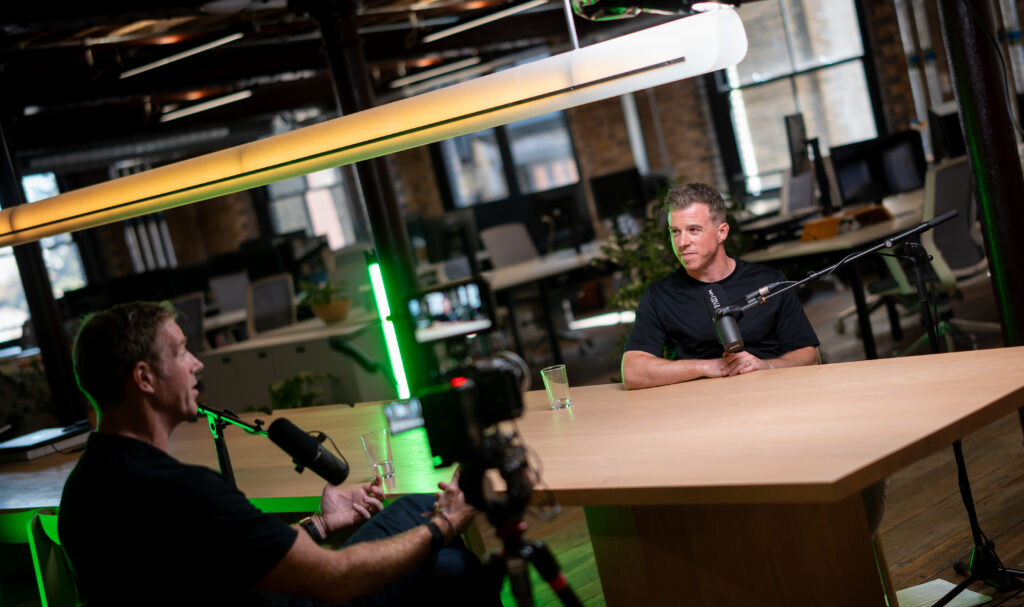
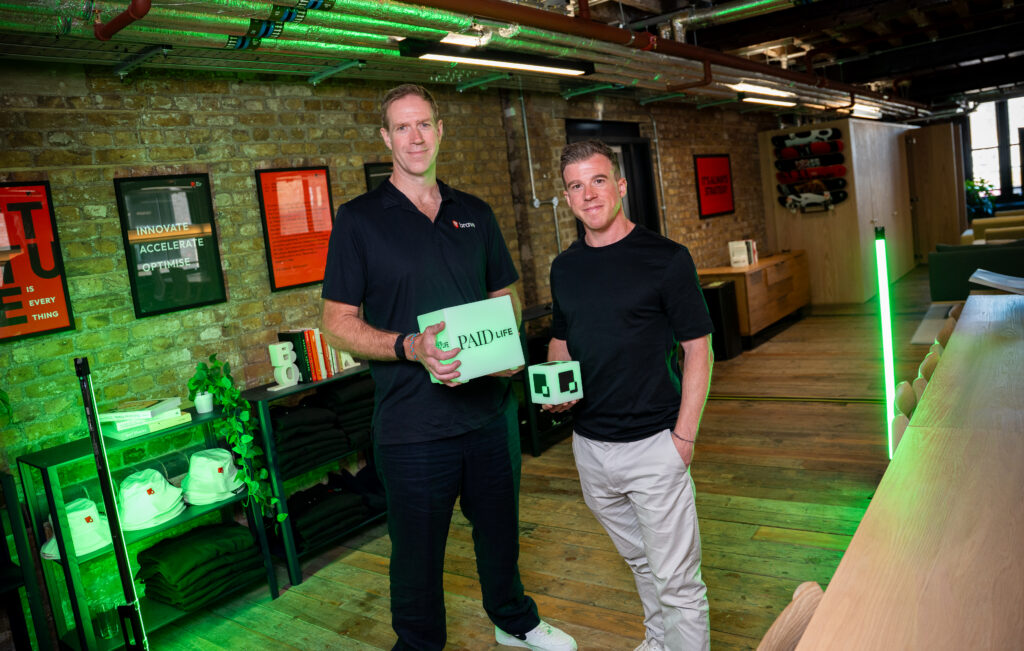
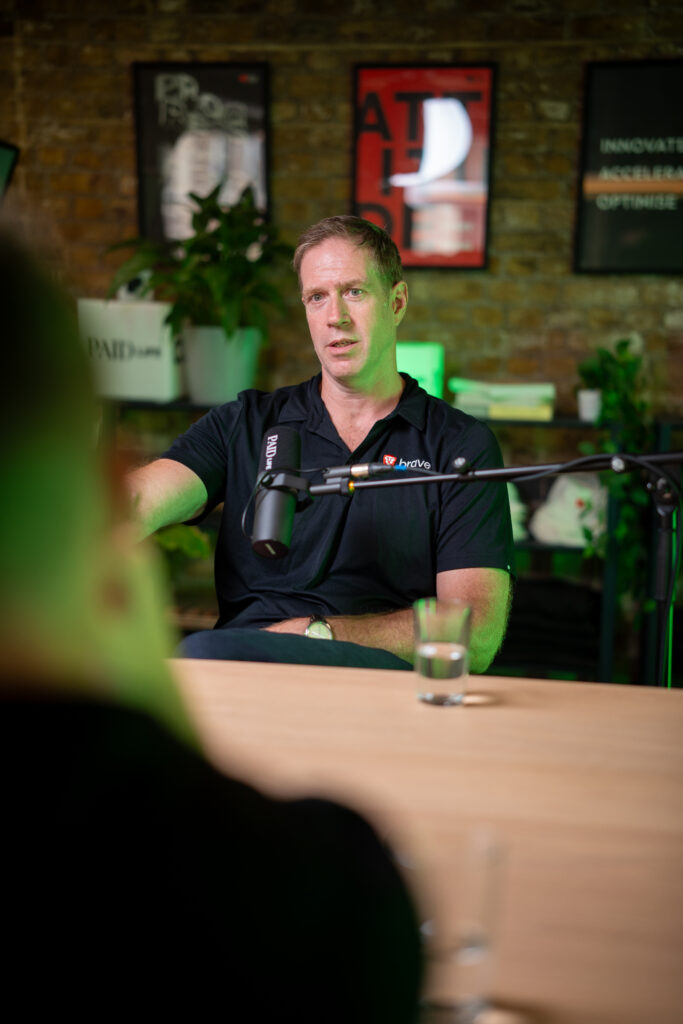
Dale Olorenshaw, StrategiQ Head of Paid Media, sat down with Andy Squire, Regional Lead for Brave Software to discuss the main headlines and what actions they’d advise right now given what’s changing.
Google Expands Limited Ad Serving Beyond Search to Every Ad Surface
From August 2026, Google is extending Limited Ad Serving. The policy that throttles impressions rather than disapproving ads outright from Search (where it landed in June) to YouTube, Gmail, Discover and the Play Store, with full rollout running through to 2028.
Eligibility is decided by account maturity, advertiser verification status, policy compliance history, user reports and ad format usage. Qualified advertisers will see no restrictions, but flagged accounts get a quiet impression ceiling and an in-account notice rather than a disapproval.
The StrategiQ take
The uncomfortable part isn’t the policy, it’s that “my ads aren’t disapproved” no longer means an account is safe on any Google surface, not just Search. A YouTube or Discover campaign can now be limited with the only visible symptom being reach and impressions quietly underperforming, with nothing to appeal until someone notices the pattern.
We’re extending the advertiser-verification and policy-history checks we already run for Search accounts to every Google surface a client is live on, and adding ‘impressions underperforming spend with no policy flag’ as a specific task account leads look for weekly, not just at monthly review. It’s advised everyone managing a Google Ads account does the same.

Only A Few Days Remain. Google’s Budget-Constrained Bid Target Change Goes Live on 17 August
From the 17th August 2026, Google will stop letting budget-limited Target CPA and Target ROAS campaigns outperform their set target. This will affect every Search, Shopping, PMax, Demand Gen, Display, Hotel and Travel campaign. Instead it will push towards whatever target is currently in the account – stale or not – as budgets change. Google has been briefing agency partners directly on the change over the last few weeks and is explicit that it will not adjust targets or budgets on an advertiser’s behalf. The Bid Target Adjustment Tool, live since the 6th July, is the only mechanism to review and reset a target before the change lands.
The StrategiQ take
This is the story we flagged in the Paid Life June Newsletter edition, but the six-week runway is now just a handful of days, and it has moved from a heads-up to something that changes real numbers.
Any campaign that’s been quietly beating its target because it’s budget-capped is about to get pulled back toward that number, and if nobody has touched the target since it was set, that’s a genuine performance hit landing this week.
We’ve been pulling every Search, Shopping, PMax and Demand Gen account with a ‘limited by budget’ flag in the last 12 months, treating Google’s suggested target as a starting point to interrogate against recent performance rather than a number to accept by default.
New Testing Confirms AI Overviews Are Quietly Overruling Your Paid Ads
Search Engine Land’s own testing found Google’s AI Overviews are directly contradicting the sponsored ad sitting immediately above them on the same results page. Naming a competitor by name as ‘the best plumber’ above a paid ad promising $89 leak detection and 24/7 availability, and, in a separate ecommerce search, omitting the top paid advertiser from the AI Overview’s answer entirely despite it dominating every paid placement on the page.
The AI’s citation logic runs independently of the auction, so a business can hold the top ad slot and still lose the searcher’s attention to whoever the Overview named instead.
The StrategiQ take
A strong Quality Score (QS) and top position no longer guarantee a searcher even considers a client’s brand once an AI Overview has already delivered a named verdict above the ads, and there’s no line in any standard report that flags when this is happening on a specific business’ queries.
Manually checking AI Overview behaviour against paid placements for each client’s highest-converting queries needs to become a standing check rather than something we notice by accident, because the fix falls upon content and landing pages being authoritative enough to be the cited answer.
This sits across SEO and paid at once. We’re adding this check to monthly reporting from this edition, starting with the business’ most exposed to branded-query cannibalisation.
ChatGPT Ads Adds Conversion Bidding and Makes Deeper Tracking Default, Not Optional
OpenAI’s ChatGPT Ads Manager rolled out oCPC (conversion-optimised cost-per-click) campaigns in beta for product feed advertisers this month, alongside a multi-product carousel ad format.
The more consequential change is quieter. Automatic Advanced Matching (AAM) is now default for every new web pixel, and existing pixels will have it switched on automatically from the 17th August unless advertisers opt out beforehand.
An infrastructure for AI agents to autonomously browse, select and complete purchases on consumers’ behalf. Google is also migrating ads into AI Search results, creating next-generation ad formats that integrate with AI Overviews and conversational queries.
The StrategiQ take
The carousels and conversion bidding are the visible headline, but the AAM default-on switch is the part that needs a decision before the 17th August. Any business running ChatGPT Ads with a pixel installed is about to start sending more matched customer data to OpenAI by default, and most haven’t reviewed what that means against their own consent and privacy setup.
Spend on this channel is still experimental for most of our clients today, but the trajectory of conversion bidding, better attribution, broader matching, opt-out rather than opt-in, is the exact playbook Google ran a decade ago. So the accounts testing it now get the head start when it scales.
We’re checking pixel and AAM settings on every live ChatGPT Ads account before the 17th August and flagging it to clients rather than letting it switch on unnoticed. We recommend everyone managing ChatGPT campaigns review the same settings as soon as possible.
Meta Adds Exclusion-Only Custom Audiences for Cleaner Targeting
On the 10th August 2026, Meta introduced exclusion-only custom audiences. A new audience type that can only be used to remove people from an ad set, never to include them.
It’s built for keeping opted-out customers away from repeat promotions, meeting legal exclusion obligations, and guarding against accidental exposure through other targeting layers. Once created as exclusion-only, an audience can’t be converted into a regular list later.
The StrategiQ take
This is a small feature with a useful case behind it. Most of our accounts have had a client ask “can we make sure this list never sees ads?” and until now the honest answer was “mostly, if we’re careful.”
A dedicated exclusion-only list removes the risk of someone accidentally turning a suppression list into an inclusion list, which is exactly the kind of setup mistake that produces a business complaint nobody can explain afterwards.
We’re adding exclusion-only audiences to account setup checklists for any client with suppression requirements (competitor employees, existing customers, opted-out contacts), so it’s built in from the start rather than patched in after something goes wrong.
Our Paid Media and Customer Experience teams work tirelessly on a month by month basis to ensure such integration between the two channels. If your two teams are not yet working this closely together, this is a nudge to do so.
Paid Life final thoughts
If you’re running any Search, Shopping, PMax or Demand Gen account which has had a ‘limited by budget’ flag in the past year, or any ChatGPT Ads account with a live pixel, reply and we will ensure your account gets it into this month’s audit queue.
Please feel free to share this blog with colleagues and industry friends who’d benefit from being across this.
Until next time,
Dale Olorenshaw, Head of Paid Media
Sources
- https://searchengineland.com/when-ai-overviews-contradict-paid-search-ads-484323
- https://searchengineland.com/google-expands-limited-ad-serving-policy-across-all-ads-484488
- https://searchengineland.com/chatgpt-ads-rolls-out-ocpc-campaigns-aam-and-product-carousels-484494
- https://www.emarketer.com/content/meta-helps-brands-curb-wasted-ad-spend-with-exclusion-only-custom-audiences